
System Design6 min
From Monolith to Microservices: What I Learned as a Student
Microservices aren't a goal, they're a trade. Here's how I learned to see the benefits, the hidden costs, and how to split a system without breaking it.

Scroll
(01) About
Java by trade and curious by default. I build backends that stay up, data that stays right, and systems that keep talking under load . Then I write down what I learned, mostly so I remember, partly so you don’t have to.

I’m Divyansh, a backend developer from Bhopal. I like systems you can reason about: clean APIs, honest data models, transactions that hold when everyone clicks at once.
Most days that means Java, Spring Boot and MySQL. Some days it’s Kafka, Redis, Docker, or an idea I can’t leave alone. The writing below is where all of it ends up.
Previously
Elsewhere
(02) Notes from the backend
What I build, break and figure out, written down properly. All 8 articles →
System Design6 min
Microservices aren't a goal, they're a trade. Here's how I learned to see the benefits, the hidden costs, and how to split a system without breaking it.
Spring Boot6 min
Lessons from GoCruze: stateless authentication with signed JWTs, role-based access for three user roles, and tests that prove the rules actually hold.

Spring Boot6 min
Lessons from Votezy: why 'check, then insert' breaks under load, what @Transactional does and doesn't protect, and four ways to make concurrent writes correct.

Databases4 min
Measure first, then fix: spotting N+1 queries, writing one aggregate query instead of many, and designing composite indexes that MySQL can actually use.

(03) Selected work

01 · 2025
A ride-booking backend that gets working parents’ kids to school, safely.

02 · 2025
A voting system where many votes land at once and every one counts exactly once.
(04) The difference
(What most backends look like)
(What I build instead)
The slow query.
A page that takes four seconds is usually one missing index and an N+1 loop away from forty milliseconds. Nobody measured, so nobody knows.
The tangled monolith.
Every feature touches every other feature. A one-line change needs a full regression test and some luck. It still works. It just no longer lets you move.
Security as an afterthought.
Login added in week ten, roles checked by hand in controllers, secrets in the repository. It holds until the day someone actually tries.
Measured, then fixed.
Query plans read before code is touched. Indexes, joins and caching chosen from evidence, not habit, with the before and after numbers written down.
Boundaries that hold.
Modules with clear contracts, transactions wherever money or votes are at stake, and an architecture you can explain on a single page.
Secure by construction.
Spring Security, JWT and role-based access designed in from the first day, and tests that prove the rules instead of assuming them.
(05) Process
Software is a sequence of decisions. I make them in the open and in short cycles, so you always know what is being built, why, and what it will cost to change later.
Phase 01
Before a line of code: the problem, the people who have it, the constraints and what "done" means. I ask the questions that are expensive to answer later, and we agree on scope and a timeline in writing.

Johannes Vermeer, The Astronomer, 1668 · Public domain
Phase 02
System design on paper first: API contracts, database schema, data flow and how each part fails. A design you can review in an hour is far cheaper than a rewrite in a month.

Johannes Vermeer, The Geographer, 1669 · Public domain
Phase 03
Spring Boot in short sprints, JUnit 5 tests written alongside the code, and a working demo every week. You see progress as running software, never as a status report.

Joseph Wright of Derby, An Experiment on a Bird in the Air Pump, 1768 · Public domain
Phase 04
Docker images, deployment, documentation and a clean handover, so the system can outlive my involvement. Then a support window for the fixes only real users reveal.
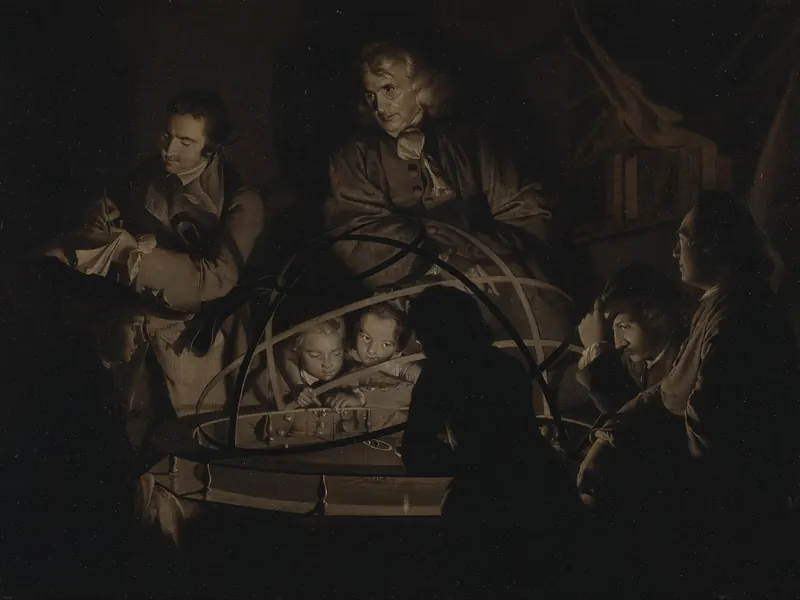
Joseph Wright of Derby, A Philosopher Lecturing on the Orrery, c. 1766 · Public domain
Available for full-time roles & freelance projects
Let’s build together →(06) Contact
A question about a post, an idea, a bug that won’t die, or a role you think I’d fit. I read everything and reply to most.